Brinewell started with two jars that went in the bin.
Lise Kieffer grew up in Alsace next to her grandmother's 20-litre choucroute crock. Making the same thing in a 1-litre jar turned out to be a different job, and working out why is how these guides began.
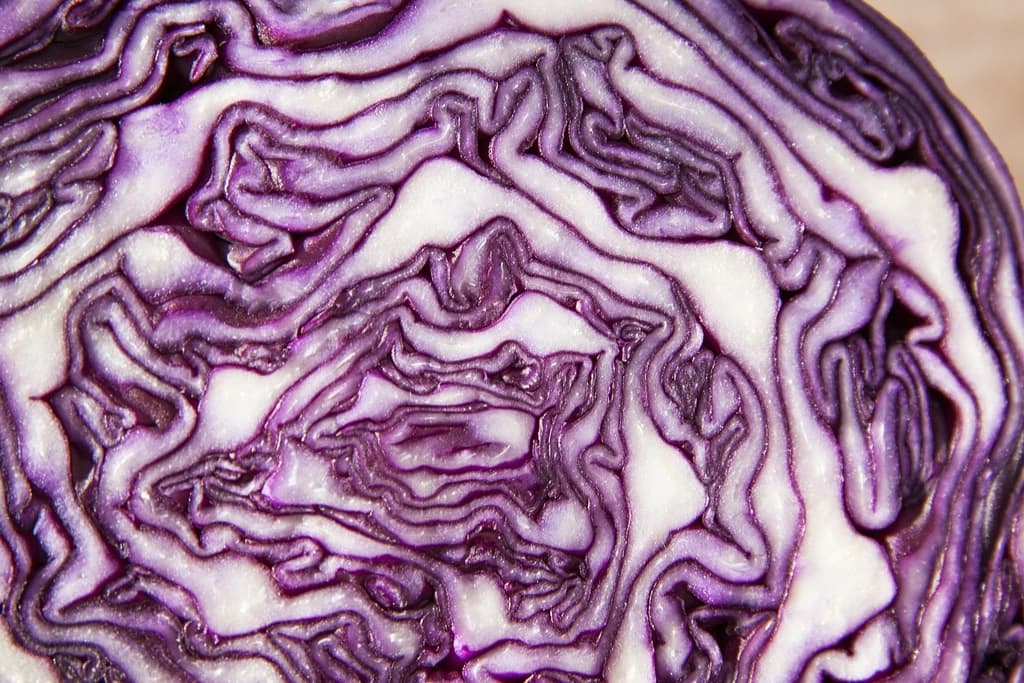
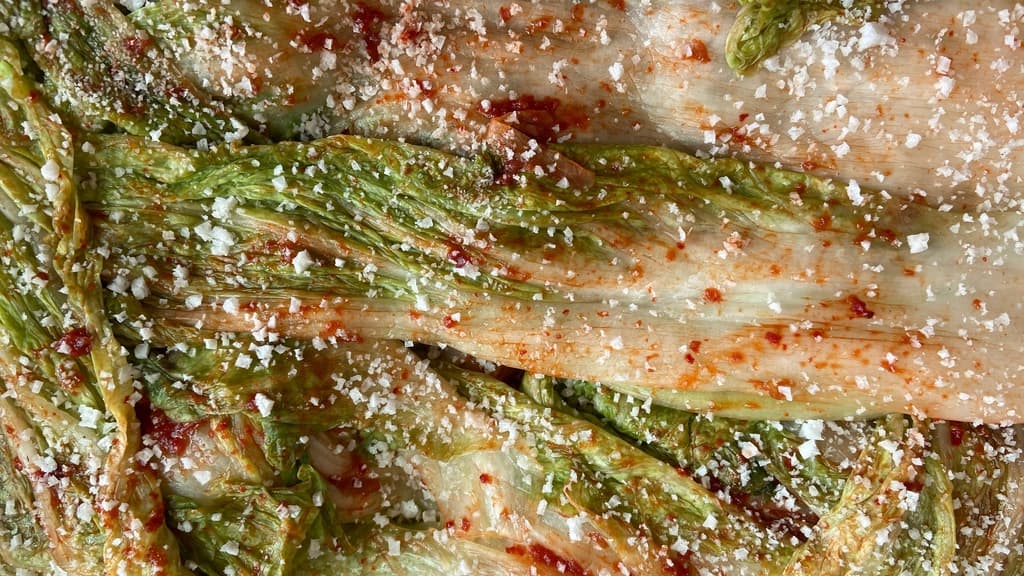
Red cabbage, the first thing Lise ever fermented that turned out right.
A handful of salt that works for 20 kilos ruins a 1-litre jar.
Lise's grandmother salted her November cabbage by the handful, for a crock that held a whole winter. It worked because a mistake of a few grams disappears in 20 kilos. In a small jar the same handful is double the salt, or half of it.
After losing two jars, Lise stopped trusting her hands and started trusting a kitchen scale. Weighed salt fixed almost everything. The rest came from learning what a healthy jar looks like on each day, which nobody had ever shown her.
That's still the whole idea behind Brinewell: exact weights, and pictures of what normal looks like.
From a notebook of forty jars to classes in other cities.
Six moments that shaped the guides you can buy today.
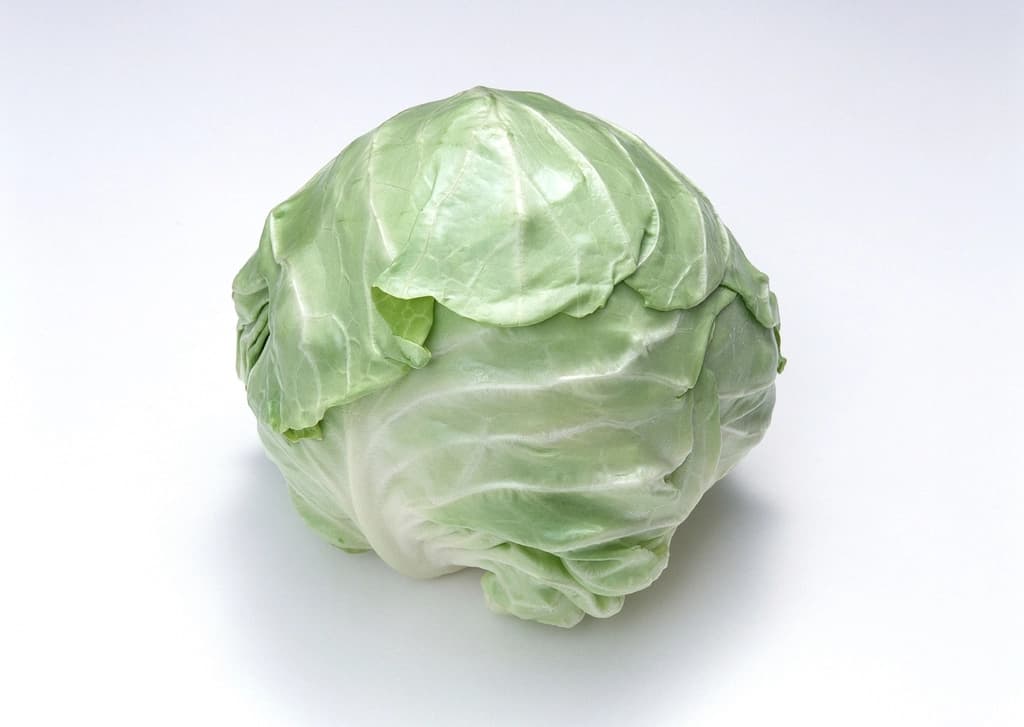
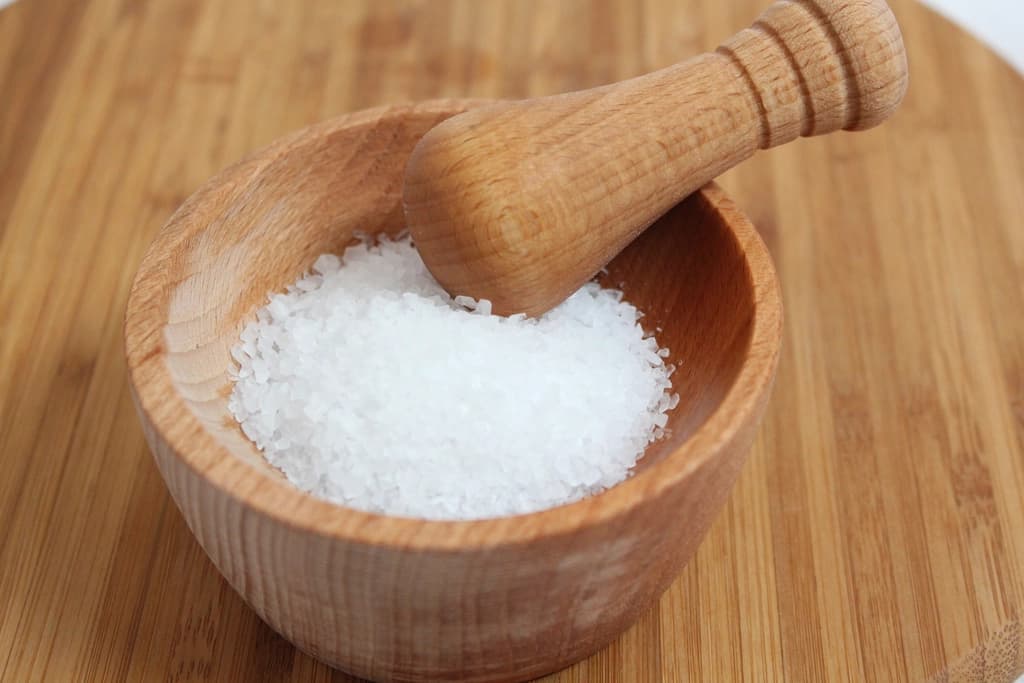
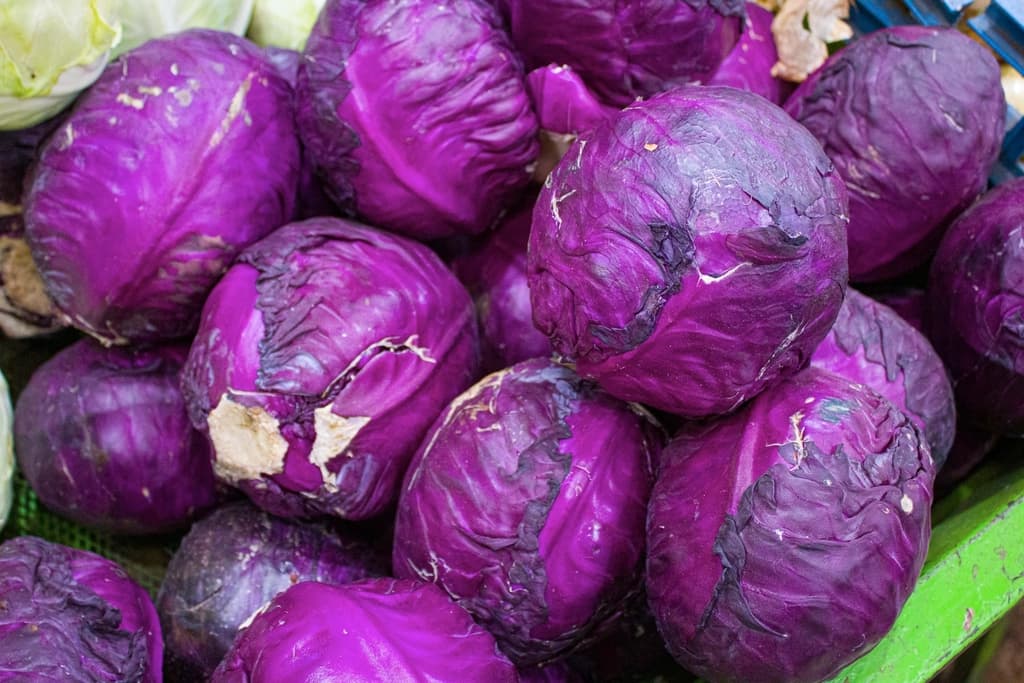
2016
Two jars in the bin
Lise moves into a small flat in Strasbourg and tries to make her grandmother's choucroute in a 1-litre jar. She salts by feel, like her grandmother did. The first jar goes soft, the second grows fuzzy mould by day 9.
2018
The scale comes out
She starts weighing everything and writing it down. Forty jars later the pattern is plain: 2% salt by weight for shredded vegetables, brine kept above the cabbage, a room under 22 °C. Not one jar lost that year.
2019
Saturday classes
A community kitchen in the Neudorf district asks her to run a two-hour session. Twelve people, twelve jars, one shared bag of salt. The classes fill up every month from then on.
2021
First Kraut, as a 12-page PDF
Students keep asking for her notes, so she turns them into a printable guide with a salt table and drawings of the jar on day 3, 7 and 21. People who never came to a class start buying it.
2023
Kimchi, tested properly
Napa & Gochu takes a whole winter: napa cabbages from three markets, salting times measured with the bend test until the range was reliable. It becomes the guide readers write to us about most.
2025
Other people's classes
Cooking schools and garden clubs ask to teach with the material. The Workshop Licence gives them the slides and handouts Lise uses in Strasbourg, so more people learn with weighed salt.
How a guide gets made before you read it.
Slow on purpose. A guide that saves you one lost jar has done its job.
Five batches before it's a recipe
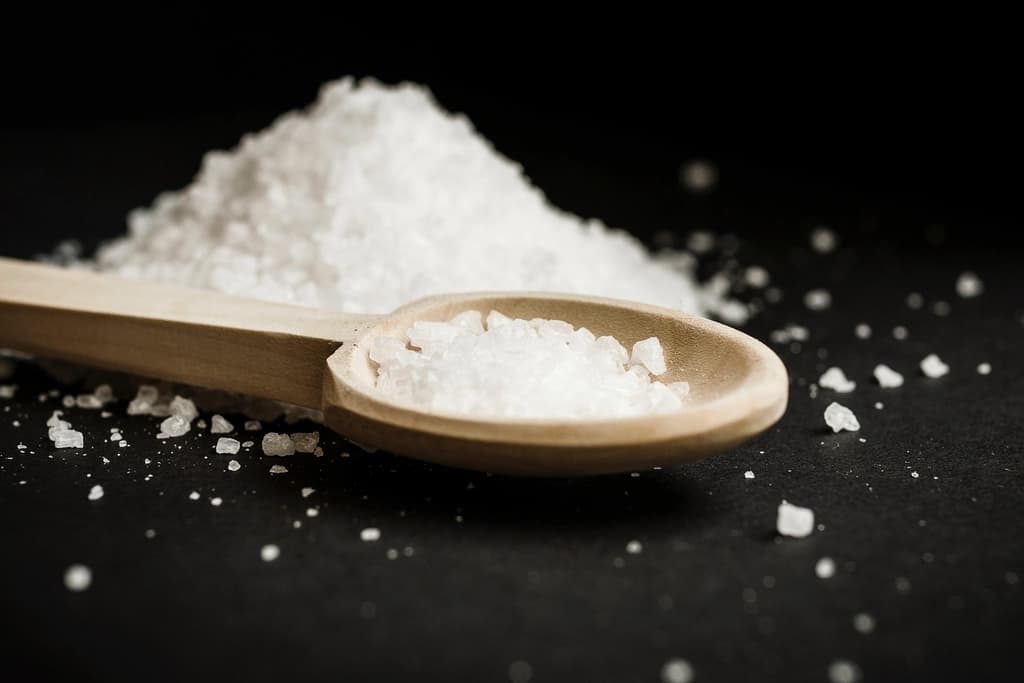
Every recipe is made at least five times, in two kitchens, before its weights go in a guide. If the timing changes too much between batches, we give a range and a visual check instead of a number.
Drawings instead of perfect photos
A styled photo shows a jar on its best day. Our drawings show what an ordinary jar looks like on day 3, including the cloudy brine and the odd floating shred that worry beginners.
Your questions go back in
When three readers ask the same thing, the answer goes into the next version of the guide. Library owners get those updates by email, free.
Start where Lise's students start: one cabbage and 20 g of salt.